
When Jensen Huang, the CEO of NVIDIA, was recently asked to define what it means to be truly smart in the age of artificial intelligence, his answer stopped us. Not because it was surprising — but because it was, word for word, a description of someone we have watched work, live, lead, and grow for the last thirty years.
“The smartest person is someone who sits at the intersection of being technically astute, but with human empathy — and having the ability to infer the unspoken, see around the corners, the unknowables. That vibe — I think that’s smart.”
— Jensen Huang, CEO, NVIDIA
Romi is that person.
That person must also understand the foundational principles of the business they live in. Without that — without wisdom, without human empathy — AI produces a sophisticated copy of what already exists. In Romi’s case, the business he lives in is healthcare. And healthcare, before anything else, is a human function.
I haven’t written pieces like this before. But Romi is more than a colleague. We are writing this because the world now has a framework — Jensen Huang’s framework — for describing something we have been watching for three decades. And it seems important that people know it has been real all along.
Thirty Years Is Not a Credential. It Is a Proof.
Relationships in business rarely weather the seasons through 30 years. Many companies and relationships form and dissolve in those time periods, leaving no lasting marks. This is different. This is a lasting mark on the patients and partners he interacts with on a daily basis. It’s a mark he has left on us.
Kelly has been Romi’s Executive Assistant since 1996. She has coordinated his professional life, his family office, every dimension of his world. Companies built. Companies sold. Clinical years. Enterprise years. Difficult seasons and triumphant ones.
Through all of it, she has watched him absorb pressure that would have broken most people — and handle it the same way every time. She has seen him be exactly who he says he is in the moments when no one would have blamed him for being someone else.
In Kelly’s words.
He has always taken care of people — not as a role, but as a reflex.
When my children were young, he worked with me so I could work with him. He didn’t ask me to choose. 30 years ago, we established the first virtual work relationship. That flexibility wasn’t a policy — it was him.
He is a light. Genuinely curious in the way he approaches every person he meets, every problem he hasn’t solved yet. He wants to know more. He always wants to know more.
That is who he is when no one is writing about him. I have been there for all of it.
He is his authentic self. Every day.
I have known Romi for that same period, but from a personal vantage point. I have watched his life, his career from the outside. As a close friend. Seeing things daily collaborators can miss. The public story and the private reality are the same.
The Sunrise That Wasn’t Moving
There are moments in conversations with Romi that shape you. Not because they are dramatic, but because they quietly dismantle something you thought you understood.
I remember sitting with him on his back porch in the morning. Drinking coffee. A quiet moment between two colleagues. Two friends. The sun was just rising over the rooftops. Romi turned to me and said, the sun is not rising, we are rotating into it. It changed my perspective and I saw something bigger.
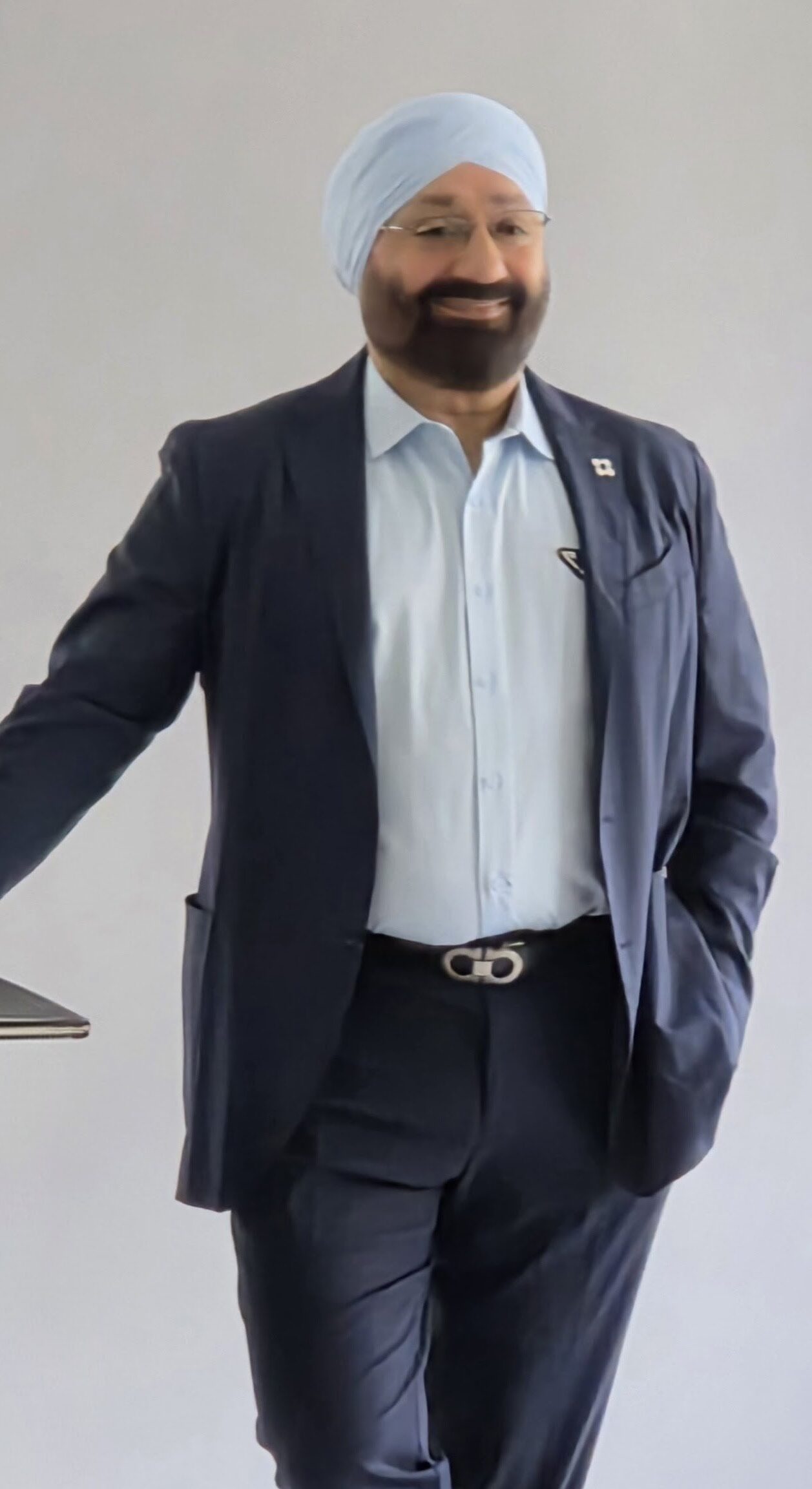
The way we experience life is entirely dependent on our point of view. It’s the simple moments that most people never examine. They take it for granted. Romi has spent his entire life questioning the frame and shifting those around him.
In meditation and contemplative practice, consciousness itself can ascend to a higher plane of observation — a place where the complexity of a situation resolves into clarity, where the noise falls away and only the essential remains. This is not mysticism dressed up in modern language. It is a rigorous and practiced capacity that he has cultivated over decades. And it is the foundation of what many around him have come to call, with genuine affection, the Chopra Vibe.

There Is No Such Thing as Artificial Wisdom
Romi draws a distinction that he comes back to often. Intelligence processes information. Knowledge accumulates. Wisdom knows what to do with it and shapes it.
AI cannot achieve wisdom. We’ve talked about it at length. Artificial wisdom does not exist. AI can retrieve, synthesize, and optimize data faster than any human. But it is reorganizing the past, not seeing into the future. Not looking around corners.
AI systems cannot live through 30 years of clinical decisions, cannot merge philosophical inquiry and spiritual practice, and cannot absorb the weight of what goes wrong or feel for those we care for. Wisdom allows Romi to collapse these forces into single moments of judgment. I’ve seen it in action. When situations arise that would send most scrambling, he settles himself and those around him.
Grounded in the laws of thermodynamics, he knows that energy can’t be created or destroyed. But it can be shaped. Transformed. Every decision, every relationship, every act of leadership ripples through his wisdom and is shaped by it. AI will absorb a lot of what passes for intelligence. It can process. It cannot be present. It can optimize. It cannot be wise.
It cannot be Romi.
A Human Being Exists at Four Levels
Romi has consistently said, across every context, that human beings simultaneously exist on four levels. Most people, most institutions and most leaders fail because they don’t address them all.
Physical — Everything is built on the body’s energy, presence, and health.
Intellectual — The capacity to reason and hold complexity. Most organizations mistake this for the whole person. It is only a facet.
Emotional — What is felt, feared, wanted, and suppressed. Whether admitted or not, emotion drives most decisions.
Spiritual — Meaning. Purpose. Something larger than self that answers, “to what end”?
He knows a patient diagnosis that addresses only the physical will often fail to heal the whole person. He knows that an organizational strategy that addresses only the intellectual will often fail to motivate. He uses it to understand himself.
It’s not theoretical. It’s how he operates.
The Gap Between Stimulus and Response
Romi practices meta-cognition. Simple in theory, difficult in practice. He observes his thoughts, feelings, and physical state the way you’d observe someone else. Not from inside the reaction, but just above it. In difficult moments, he notices what he’s feeling, evaluates whether it’s serving or distorting him, and redirects. It anchors him on the truth.
This is Huang’s definition of the future of intelligence, rendered in a discipline that Romi has been practicing since the 1990’s. It’s the four-level framework applied to himself. Most people become self-aware in retrospect, figuring out what happened after the moment has passed. Romi does this in real-time.
That gap between stimulus and response is where Romi seizes the moment. Most let it slip by.
The Chopra Vibe
Romi has a vibe that those around him feel. The Chopra Vibe.
It isn’t charisma, though he has that. It isn’t authority, though he has that too. It’s something more specific. He enters a volatile situation, reads it in seconds, and moves toward a simple, surgical resolution that settles a tense room. Complex problems are broken into simple pieces. Chaos is organized into a clear path.
We’ve watched it in boardrooms and clinical settings, in moments of real crisis and in quiet conversations that adjusted the course of someone’s life. But the most important moments didn’t happen in meeting rooms.
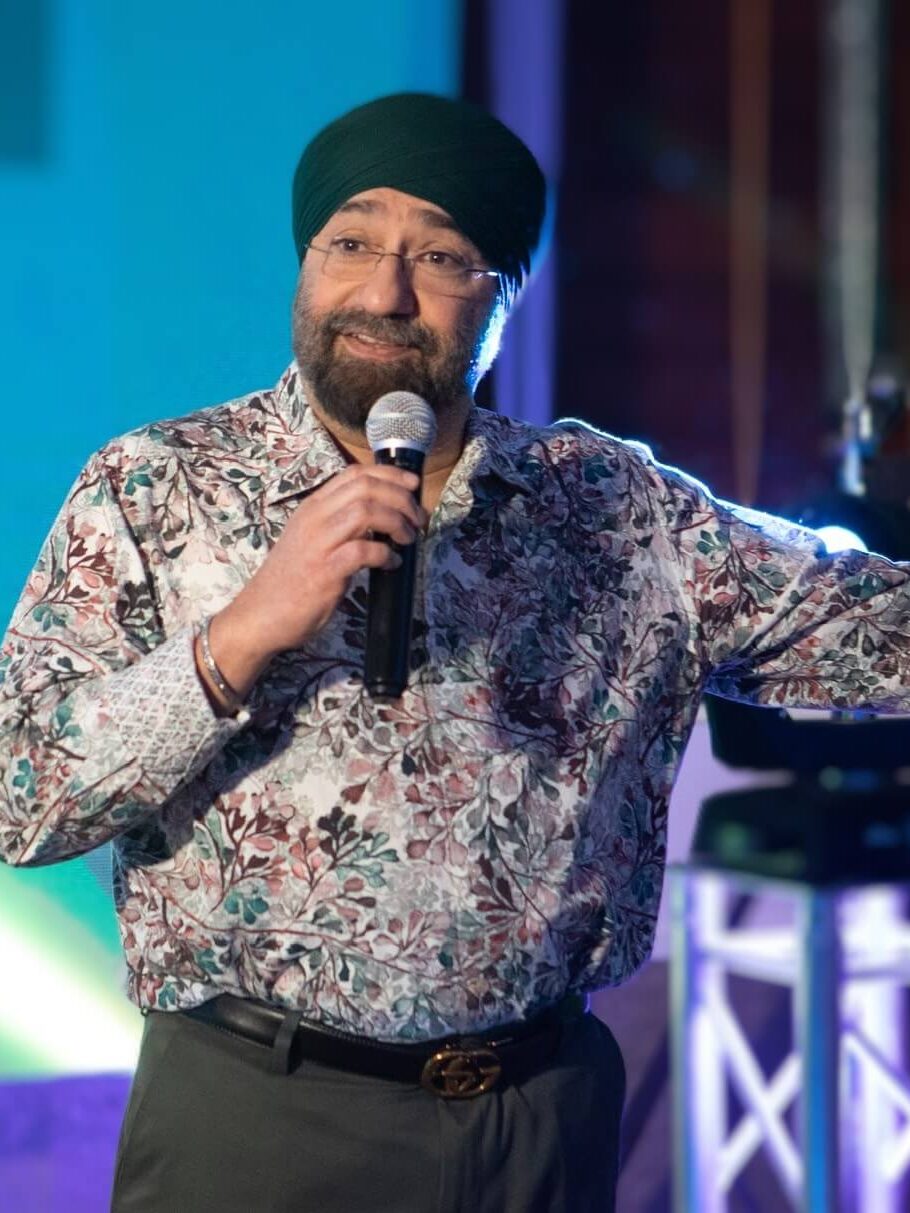
Romi has saved lives on aircraft. More than once. A passenger in distress. A medical emergency at altitude. With nothing beyond his training and his ability to move from assessment to action, Romi has resuscitated people who were close to death. He walked back to his seat and finished his flight.
This is what happens when someone has trained every dimension of themselves — physical, intellectual, emotional, spiritual — to respond rather than react, to see clearly rather than panic, to serve rather than hesitate.
The Chopra Vibe isn’t a personality trait. It’s the output of deliberate development. You don’t stumble into it.
The Eulogy Written at Forty
About twenty-five years ago, Romi wrote his eulogy to clarify precisely what he wanted his life to have meant when it was over. What would he want to hear if he was standing at the back of the room at his own funeral?
That Romi was a highly effective individual who was kind, caring, and added extreme value to their lives. That they miss him. That he was effective in everything he did — not effective as in accomplished, but effective as in genuinely useful to the people around him.
Not brilliant or powerful or successful or wealthy. Effective and kind.
It is the grounding vision in every role he has played — physician, founder, father, colleague, leader. Kelly has watched him hold that standard for thirty years.
It does not waver.
The Richest Place in the World
The richest place in the world is a cemetery. It’s a powerful quote Romi uses often.
Cemeteries are full of unrealized potential. Unwritten books. Unbuilt companies. Conversations never had. Kindnesses never extended. Impact never delivered.
It comes from his Sikh background — from seva. Life is measured entirely by what you contribute to others. The cemetery isn’t a metaphor for death. It’s a reminder that the clock is running and the capacity to matter is finite.
Not fatalistic. Motivating. Wasting capacity is the only real failure.
The Doctor Who Never Left the Bedside
Most physicians who build companies stop practicing. That’s not Romi.
He literally moves between the bedside and the boardroom. He sees patients. He sits with people in the most vulnerable moments of their lives. He then uses that perspective to lead a room full of engineers or executives to build something that supports what he just witnessed.
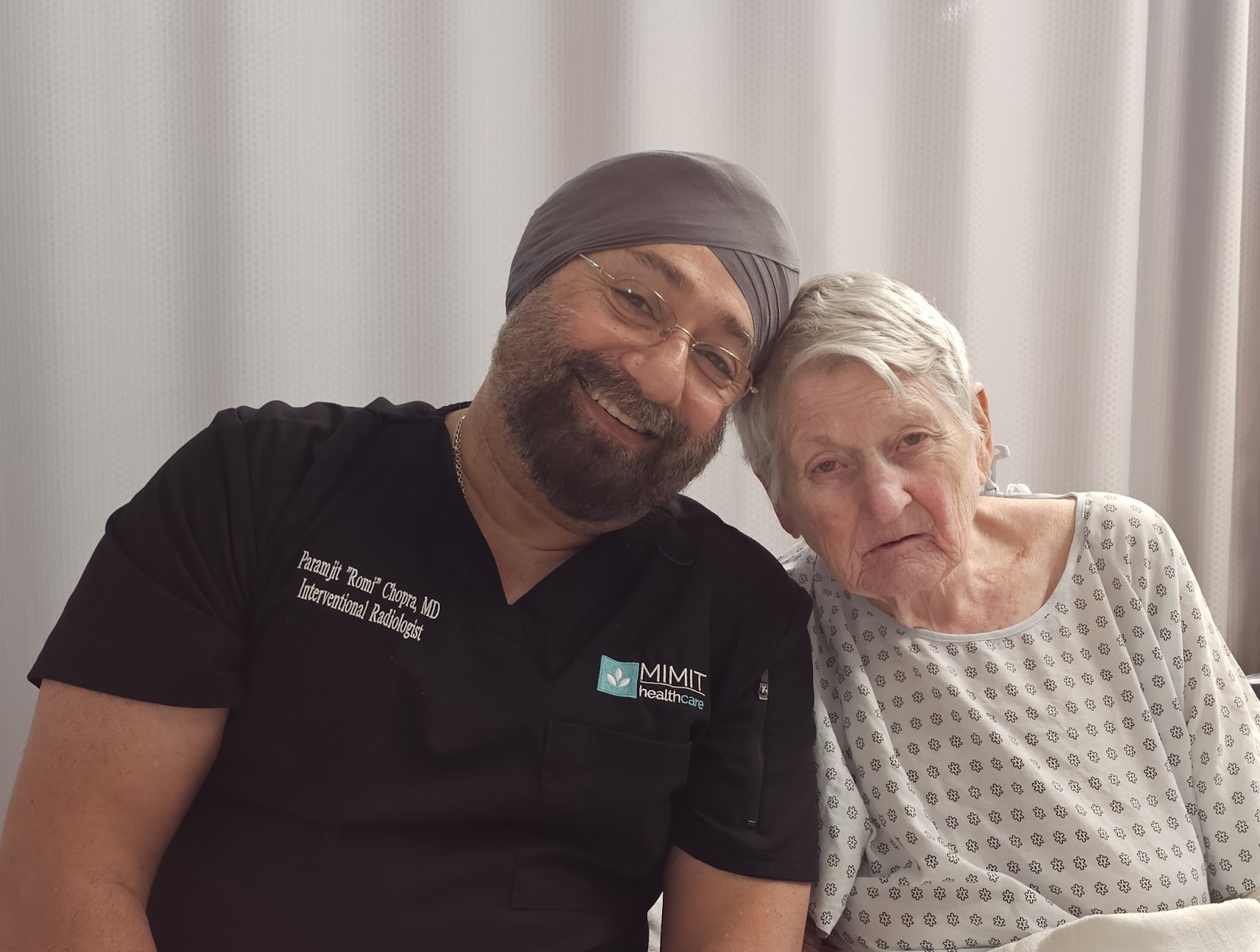
That’s ground truth. Romi designs software that supports the medicine he practices. He runs companies that deploy it at scale. That is a vantage point no consultant or investor can acquire by reading about them.
Everything Romi builds is traceable to the same place. One human being, unwell, needing help.
First Principles and the Federation of Companies
Romi does not accept the existing frame of a problem. He traces every problem to its first principles, its most foundational truths, and then builds solutions from there. No assumptions. No inherited frameworks.
He applies the same discipline to people. He explores beyond their stated goals, their title, their role to find their fundamental motivators. This creates a clarity that he uses to sculpt their role, incentive structure, and opportunities. He designs organizations around what people do, not what org charts would dictate.
The result is that he understands something about the people he’s with that they don’t fully see in themselves. It creates an organization that naturally flows to people’s strengths and doesn’t force people to conform to a common mold.
The principles are applied to the federation he has created: CIMSS Innovative Solutions, MIMIT Health, and the Integrated Healthcare Operating System — the IHOS. The IHOS is doing for healthcare operations what Salesforce did for customer relationships — a single intelligent layer connecting data, workflows, and humans across an entire enterprise.
Romi recognized early that healthcare had the same data infrastructure problem every other industry had already faced. But the solution couldn’t be built by a customer or consultant.
He built the IHOS as an architect at the intersection of healthcare, technology and business.
The Last Gift
There is one more thing we want to say. A last gift. It is not about companies or systems or frameworks. It is the core of who Romi is. It is the fundamental truth that drives him.
When someone Romi loved deeply was in the last weeks of his life, Romi sat with him. Every day. He meditated with him — not as a clinical exercise, not as a technique, but as an act of accompaniment. He helped his friend move through the fear at the threshold. He held that space the way he holds every room — calm, present, unhurried.
His friend lived his final months with dignity and grace. And then he passed through — peacefully, accompanied, unafraid. I had a close friend pass recently. After I had called my family, my first thought was to call Romi. For calm. For perspective. For peace. For presence.
That is the Chopra Vibe.
The Intelligence That Remains
Jensen Huang is right. The commoditization of technical intelligence will change what it means to be smart. AI will absorb the engineer who can only code, the analyst who can only model, the administrator who can only process. Faster than most institutions are prepared for.
What remains is the intelligence that cannot be computed. The kind that holds technical depth and human empathy at the same time. That reads a room in seconds. That sees a person as physical, intellectual, emotional, and spiritual — all at once. That saves lives at altitude and returns to the seat. That sits with a dying friend every day because presence is the only thing left to offer.
The richest place in the world is a cemetery. Romi has sat at that threshold more than once — as a physician, and as a friend. He knows what it costs, and he goes anyway.
Romi is not a figure who emerged from the AI era. He is a figure the AI era has finally given us the vocabulary to describe. The vibe — Huang’s vibe — has been real all along. It was there in a sunrise observation on a back porch about who was actually moving. It was there in thirty years of clinical decisions that no system can replicate. It was there in a room with a dying friend, in the stillness, long before anyone had a framework for naming it.
AI will change what it means to be smart. It can’t change what it means to be human. It can’t change what it means to be Romi. We have forgotten that healthcare is a human function. Data, clinical analysis, operations support that end. They are not the end in and of themselves. Romi is here to remind us.
We have been in the room for thirty years. I started my career knowing Romi, doing some side work in his basement. I am honored to end my career with him. Kelly has been by his side for 30 years. We are glad the rest of the world can now see what we have been watching.